Story 1 of 56 min read
Vanka the Big-Head, or Why Odesans Say "Station"
Why Odesans say “Station” and why Fontan is “not a fountain”
16stations on the steam line
10 · 15 · 20kopecks for a ticket
25minutes between summer trains
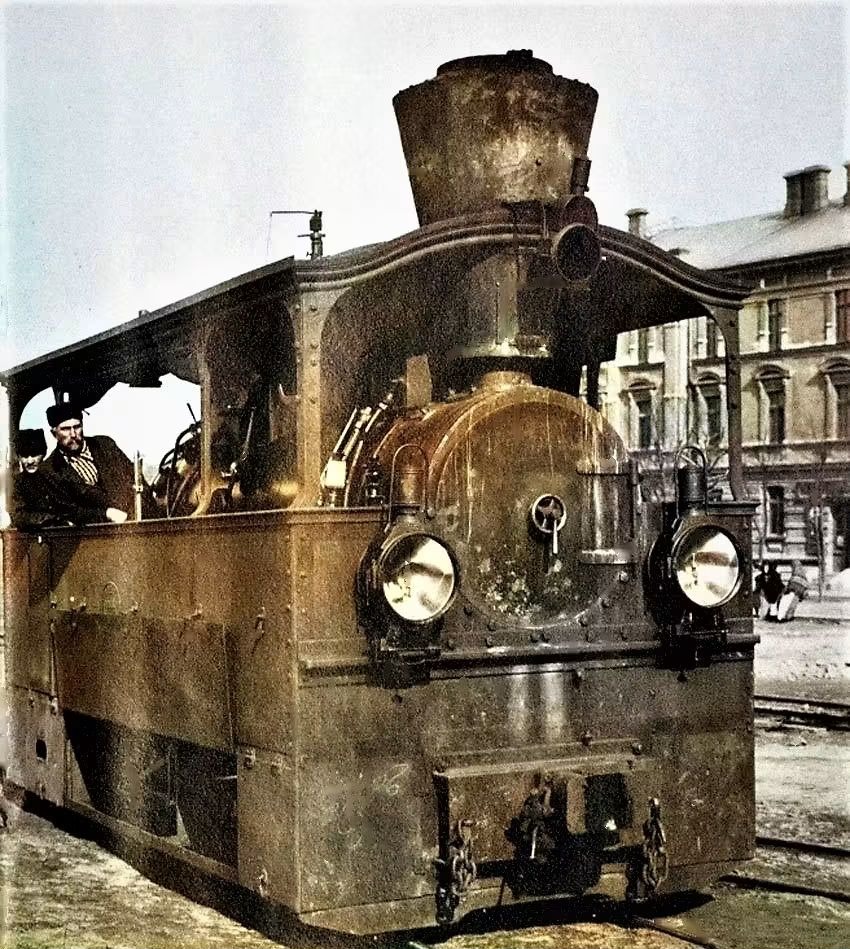
Picture a summer in the early 1880s. At a small station on Kulikovo Pole, on the edge of Odesa, a strange machine is puffing steam: a tiny locomotive that looks like a box on wheels, pulling a few open carriages. Ladies hold on to their hats, gentlemen in summer suits unfold newspapers, children crowd against the railings. A bell, a whistle, and the train sets off for the sea. Odesans, who have never been at a loss for words, gave it a name at once: "Vanka Golovatyi", or Vanka the Big-Head. That is how it is remembered to this day.
Why did the city need a train to the sea? Because well-off Odesa in the second half of the 19th century lived on a single dream: to spend the summer at a dacha, a country cottage by the water. Before the railway, people reached Fontan by horse, in carriages and cabs, jolting along a dusty road for half a day. The steam line turned a long expedition into an ordinary ride. The 1906 guidebook says that in summer the trains ran every 25 minutes — a timetable some modern routes would envy.
The line was divided into sixteen sections, and each stop was called a "station": it was a proper train, after all, and trains, as everyone knows, have stations. The fare depended on distance: 10 kopecks as far as Station 7, 15 as far as Station 11, and 20 kopecks all the way to the monastery at the end. For a working man that was real money, so the far stations were mostly for the well-to-do: merchants, doctors, lawyers and their families. The fare zones are long gone, but the habit of measuring distance in "stations" has stayed for good.
And why "Golovatyi", big-headed? On this the sources agree: the little locomotive had an enormously wide funnel, shaped like a cauldron, with spark arresters inside to protect the dachas and the steppe from fire. Where the "Vanka" came from, none of them explains. The locomotives were built at the Kolomna works in Russia, the first carriages came by sea from Belgium, and from the mid-1890s carriages were built in Odesa itself. The fuel was briquettes of coal dust, so passengers reportedly arrived at their dachas black with soot. They say that a young Konstantin Paustovsky, the future writer, worked as a conductor on this little train and compared it to a samovar packed into an iron casing.
It was not fast: the ride to the terminus took about forty minutes. They say that Sergei Utochkin, an Odesa sportsman and aviator, took a bet and ran the ten kilometres from Kulikovo Pole to the end of the line — alongside the train, and at the finish he even overtook it. Even so, the line was working at full stretch: by the end of 1896 Odesa had nine locomotives and fifty-three carriages, and in summer up to thirty-six trips a day ran out to Fontan.
The stations had lives of their own. At Station 16, they say, a band greeted the trains and saw them off, and the musicians composed a tune that would later be known as "Sem-Sorok" ("Seven-Forty"), after the time of the last run, 19:40. That is only one of several versions of where the song came from.
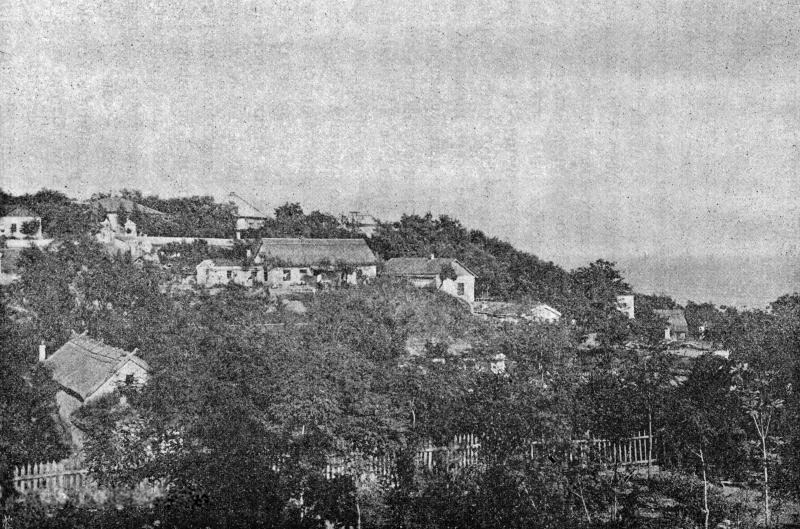
The last stations, 13 to 16, lay in Bolshoy Fontan, the Great Fountain: a dacha settlement beside the cape of the same name, older, incidentally, than Odesa itself. So where does "fountain" come from? There were no marble fountains here. Springs of fresh water gushed straight out of the limestone slopes. In the 18th century, developed springs were called "fontals", and over time the word became "fontan". Three dacha settlements grew up around the three biggest springs: Maly (Little), Sredny (Middle) and Bolshoy (Great) Fontan.
In those days the city's own water was hard and brackish, while Fontan's was clean and sweet. Odesans say this is where the local saying "ne fontan" comes from — literally "not a fountain", meaning "nothing special", the way ordinary well water compares with spring water. One of those springs survives to this day, in the grounds of the Gorky Sanatorium near Station 16. It has been turned into a modern drinking fountain, and you can drink the very water that once gave the whole district its name.
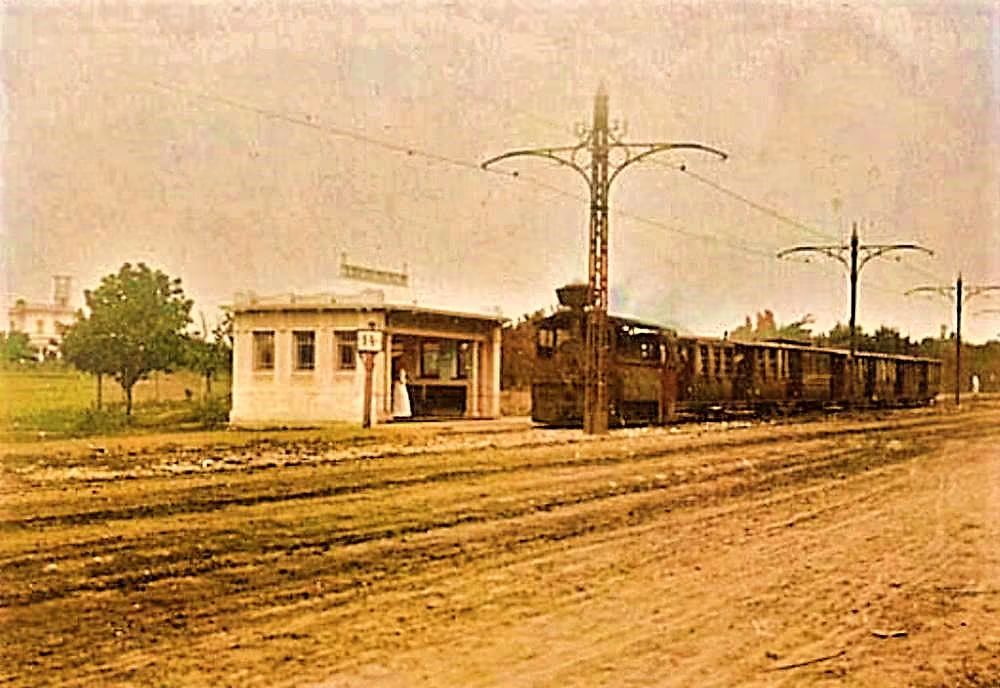
Electricity arrived neither at once nor for good. In 1908 the city council approved a plan for an electric tram, the first lines opened in 1910, and on Fontan the little steam train was replaced by an electric car in 1912. But Vanka came back: in 1918, during the Civil War, the city suffered power cuts and the steam trains returned to the line. There is even a photograph from that year, taken beside the pavilion at Station 14. They finally left Fontan, according to one version, in 1922 (other sources say 1920).
The steam trains vanished, but the words stayed. To this day an Odesan will not say "I live on Fontanska Road, number such-and-such". They will say: "at the sixteenth." And everyone understands.
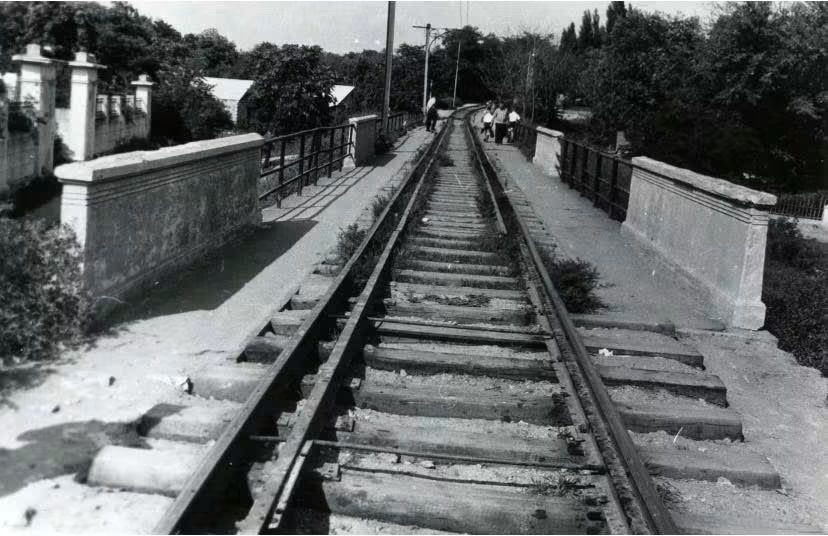
Here is a trace of that era you can still see today. Odesans say that on Fontan's old tram lines a bridge from Belgian times survives, and that it is the last of its kind in Odesa. It is said to stand over Dovha Street (some say Babushkina Street). The rails on it have lain there for decades, and its massive concrete parapets recall the Belgian builders. Whether Vanka himself ever ran here is a question for local historians, but the bridge is worth a stop.
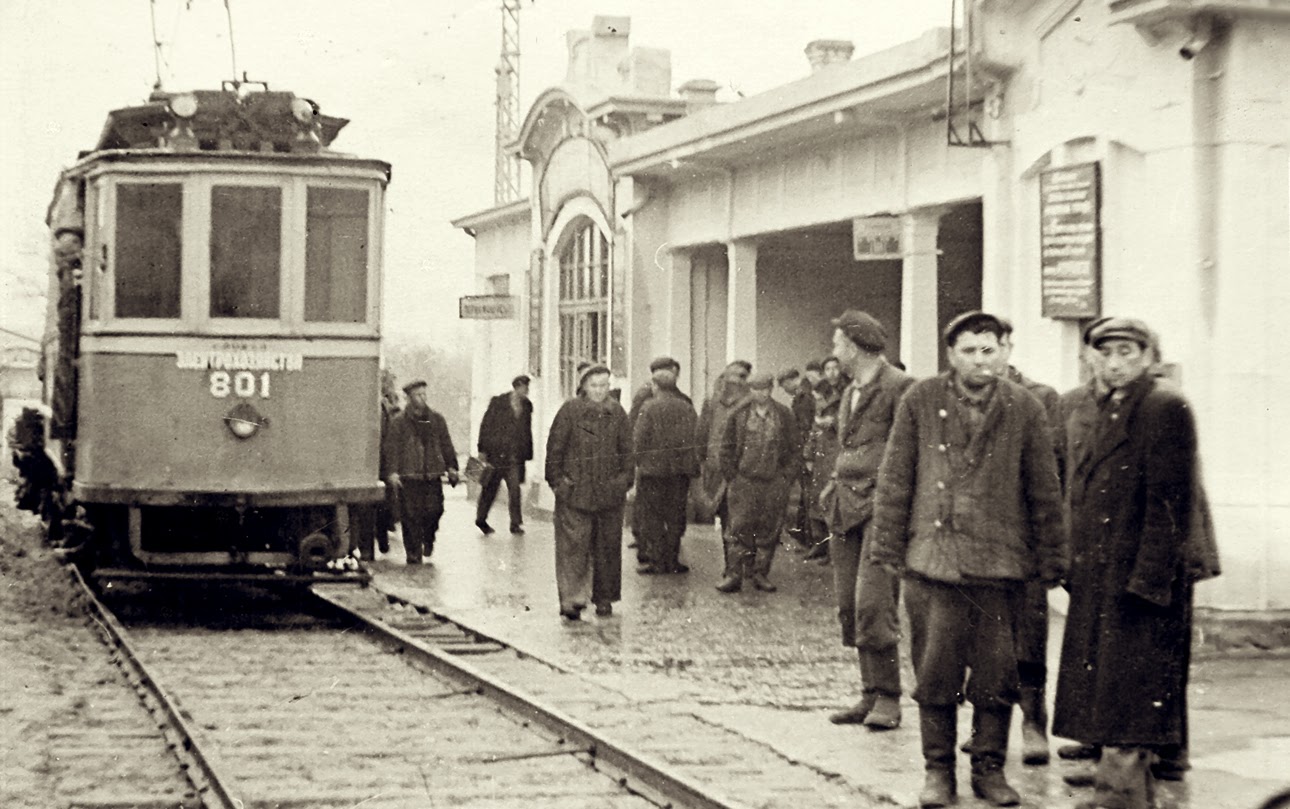
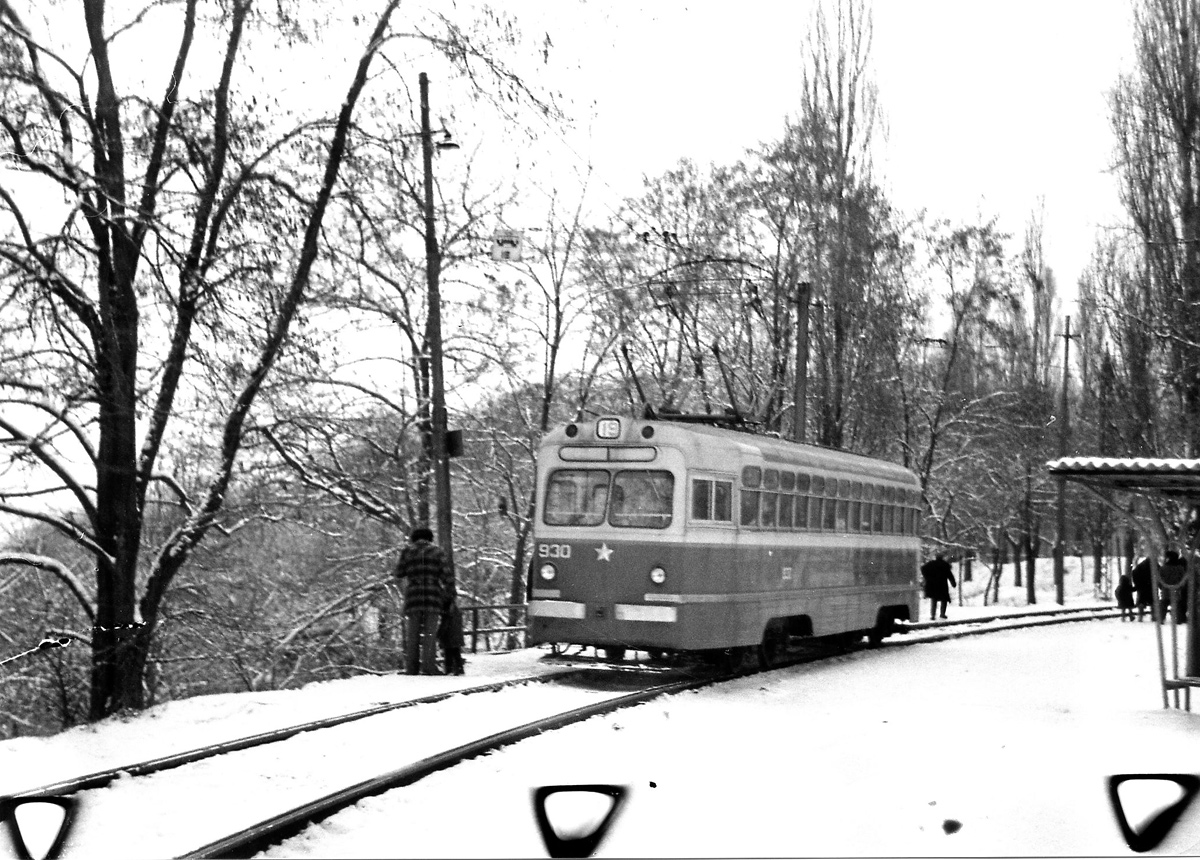
And the tram still runs along almost the same route: number 18. Station 16 used to be the terminus; now it is a through stop, and the tram carries on to the 411th Battery. From here it is a few minutes' walk to the sea. Odesans called the stone shelters at the old stops "belgiyki", "the Belgians"; one such "Belgian station" at Station 16 can be seen in a photograph from 1960.
What is true, what is legend.
Confirmed
True: the steam line to Bolshoy Fontan had 16 stations and the nickname "Vanka Golovatyi"; fares of 10/15/20 kopecks; a 25-minute interval according to the 1906 guidebook; "golovatyi" (big-headed) because of the wide funnel with spark arresters (all sources say so); locomotives from the Kolomna works, the first carriages from Belgium, from the mid-1890s carriages built in Odesa; nine locomotives and 53 carriages at the end of 1896; the electric tram project approved in 1908, the first lines in 1910; on Fontan the steam train was replaced by an electric tram in 1912 and came back in 1918; a spring with a drinking fountain in the grounds of the Gorky Sanatorium; the "Belgian station" at Station 16, from a 1960 photograph; today tram 18 runs past Station 16 to the 411th Battery (according to locals); a bridge from Belgian times over Dovha Street (or Babushkina), "the last of its kind in Odesa", is also according to locals and is not confirmed by sources; the year and author of the bridge photo and of the 1918 photo have not been established.
Tales and differing sources
Sources disagree: the year the line opened, 1881 or 1882 (26 April); the start of the route, Kulikovo Pole or the corner of Panteleimonivska and Italiyska streets; the end of the steam train, 1920 or 1922. Unknown: why "Vanka". Tales and legends: Utochkin's bet against the steam train, the origin of the saying "ne fontan", "Vanka's rails" on the bridge (whether steam trains really ran there is unknown), "Sem-Sorok" from the 19:40 run, Paustovsky as a conductor on the steam train (secondary sources, unverified); the link between the name "belgiyki" and the Belgian company that signed a horse-tram contract with the city council in 1879 is a supposition.
Sources: Telegraf, USI, Wikipedia, leska_man, HistOdessa, Novyny.LIVE, Nashe Naslediye, Odessa Life.