A moonless night. Not a light at sea, only the lighthouse blinking far off on the cape. A soft splash of oars, and the dark shape of a boat noses into the sand beneath the cliff. People step out of the darkness, silently heave bales and kegs ashore and vanish into a black opening in the slope. An hour later the beach is empty, and tobacco, silk and wine are already moving underground, somewhere toward the city.
To understand where Odesa's smuggling came from, you have to remember the porto-franco. From 1819 to 1859 Odesa was a free-trade zone: foreign goods came in here duty-free or nearly so. But the city was ringed by a moat and customs posts, and taking goods out past that line meant paying in full. The difference in price was fantastic: a bottle of imported wine beyond the city limits could cost seven times as much. No wonder that Odesa produced people ready to pocket the difference.
And that is where the catacombs came in. These are old quarries from which the limestone for the city's buildings was cut, and their combined length is estimated today at thousands of kilometres. Underground passages let goods slip past the customs posts all the way to Moldavanka, where they were quietly sold off. Others managed without tunnels at all. Memoirs of the time describe smugglers wading shoulder-deep into the sea with waterproof sacks, wearing sea-green caps so that the guards on shore would not spot them.
High-ranking gentlemen took part in the game too, if only as a joke. They say that Governor-General Vorontsov bet an acquaintance, a merchant, that he could not smuggle 10,000 roubles' worth of contraband past the customs house. The merchant arrived with a "poodle": in fact a mongrel sewn into a sheepskin, with diamonds hidden under it. The customs men found nothing.
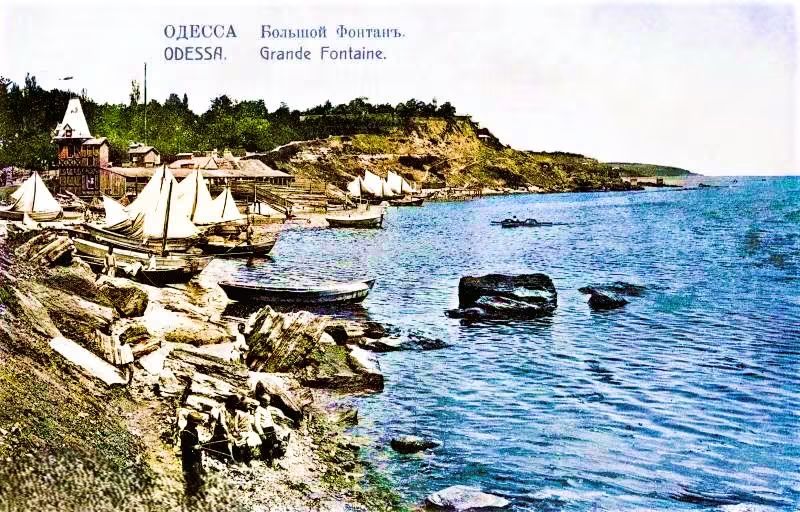
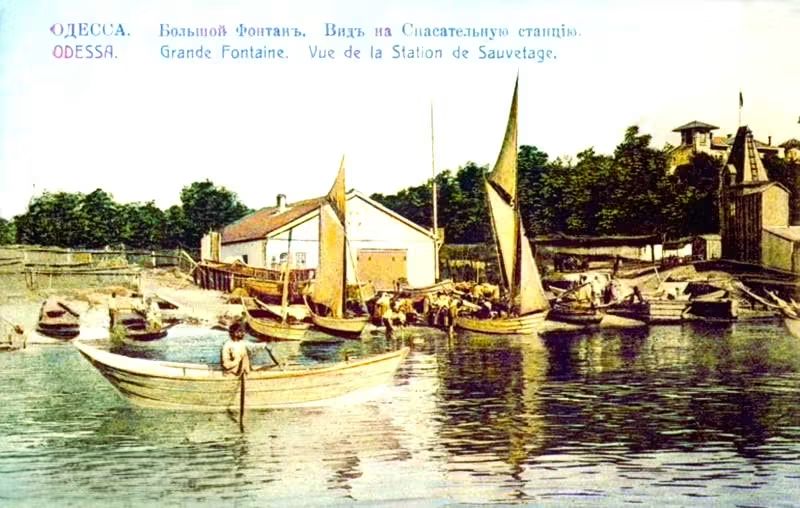
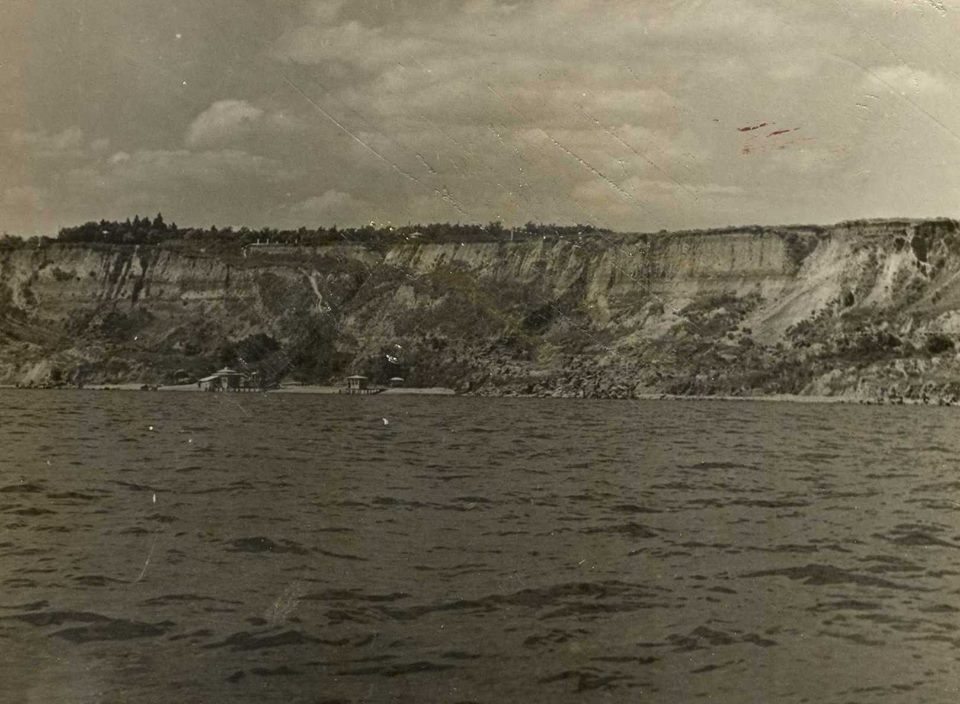
Fontan's shore was ideal for night work: far from the port, with high slopes full of openings and quiet sandy coves. But the shore was dangerous too. A legend survives about the landowner Alexander Teutul, whose guests one evening lit a bonfire on the headland. Sailors took it for a lighthouse, changed course, and their ship broke up on the rocks. In atonement, Teutul is said to have given the land to the Church, and in time the Dormition Monastery and a real lighthouse rose there. The 1906 guidebook says that the Fontan light burned at a height of 201 feet above the sea, and that in fog a steam siren was sounded.
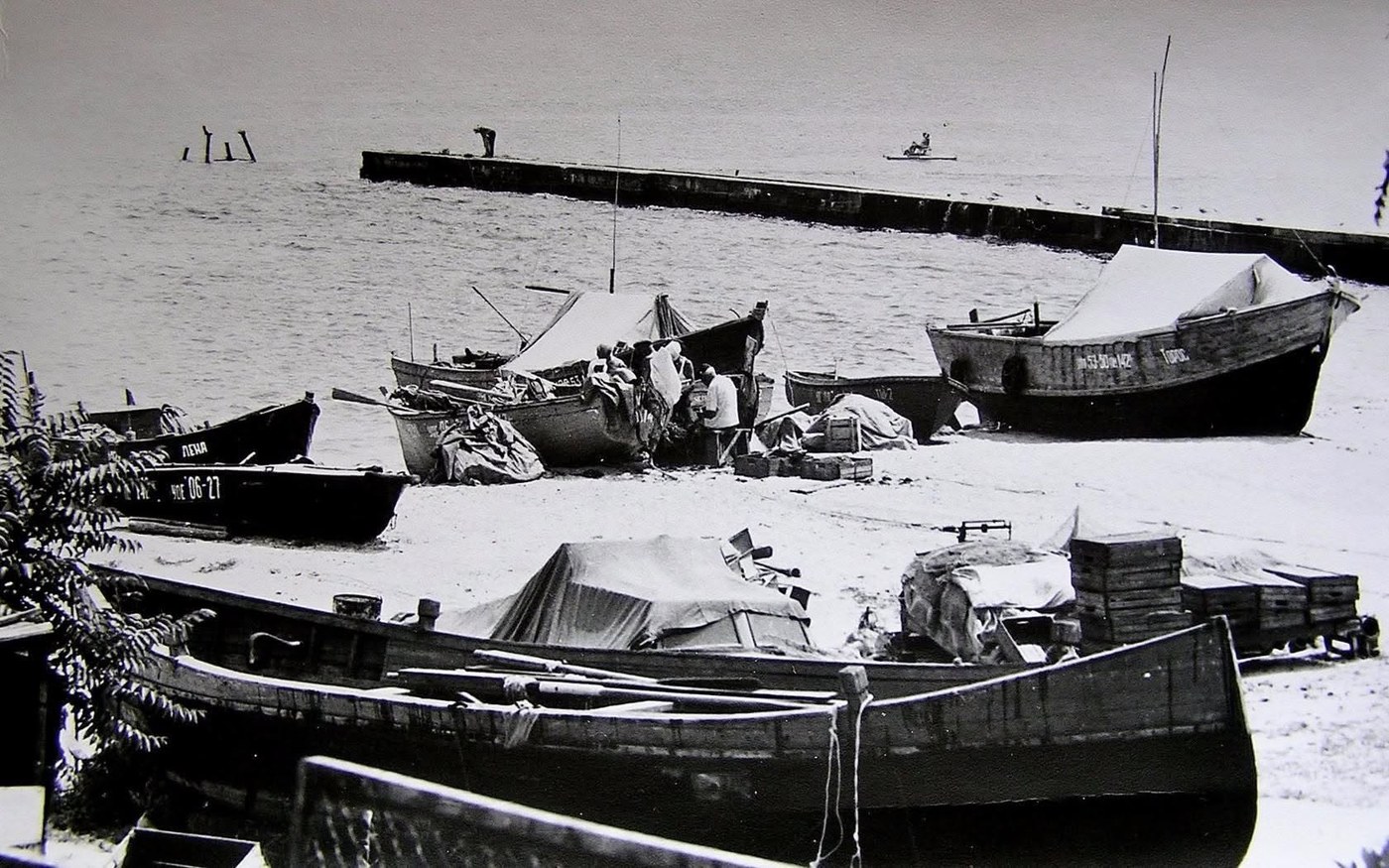
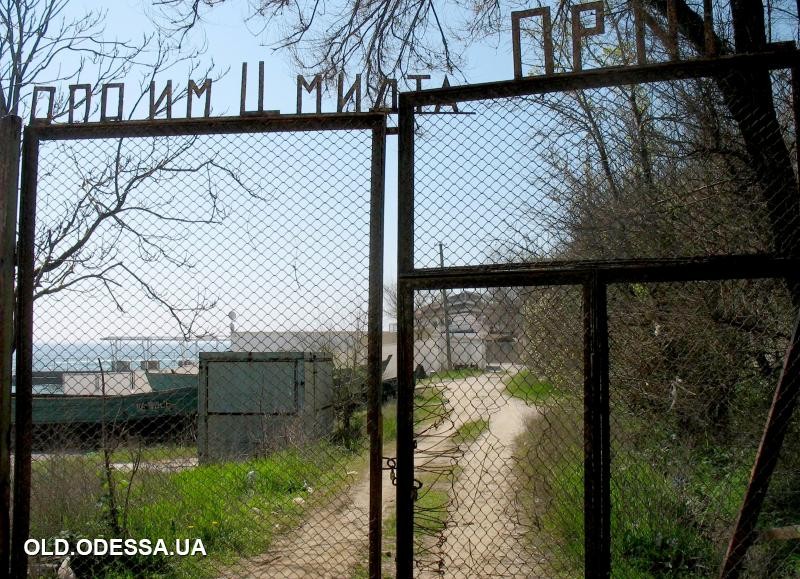
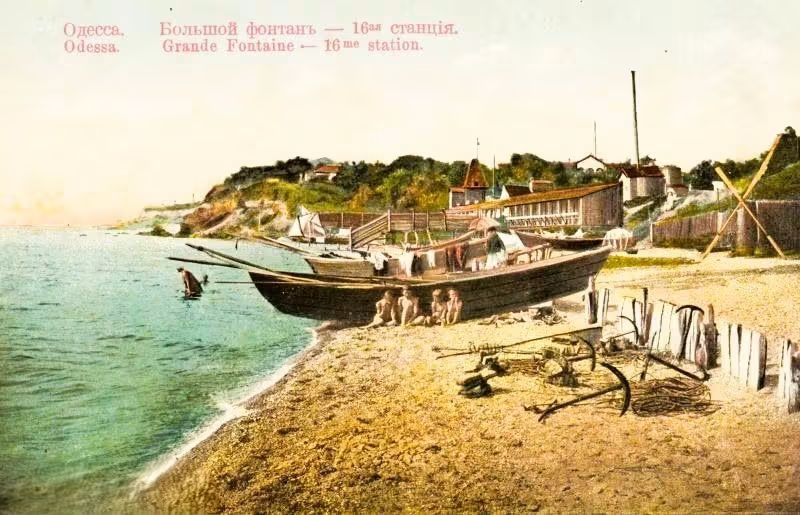
The smugglers worked at night, the fishermen at dawn, and the shore stayed the same. A century has passed, and the boats at Station 16 have never gone away, only now they are entirely legal. Between Station 16 and the monastery stood the Shmidt fishing collective, and its pier had a plain number: "Pier No. 142". In the morning boats came in to the pier with their catch, and locals knew that if you wanted fresh fish you went down to the sea early. The photograph below survives in the family archive of a man whose grandfather worked at that fishing collective.